
- Home
- Products
- Sound Tech and PA
- Sound Tech Course
- Free Tech Resources
- Free Sound Tech Lessons
- Playing By Ear
- Play By Ear Course
- Ear Training & Music Theory Resources
- Worship Leading
- Worship Leading Course
- Free Worship Leader Training
- Free Worship Leader Resources
- Band Skills Course
- Free Worship Team Training
- Free Worship Team Resources
- Subscription
- Blog
- Contact
- About
- Search
Worship Keyboard Chord of the Month – Dadd9(no 3rd)

Dadd9(no 3rd) – add9 (no 3rd) chords can be used in place of major or minor chords but are a bit more ambiguous – I use them all the time!
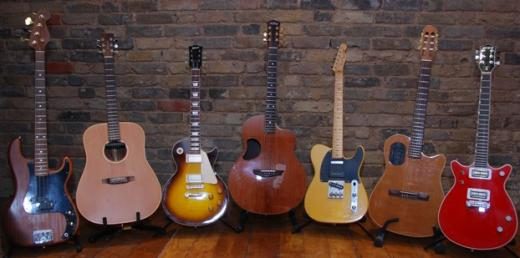 My Favourite Guitars and a Recommendation for a Great New Buy Today from Fender
  How to get maximum exposure for your song writing
  8 ideas to encourage more participation in worship
  Streaming your worship services legally | Everything you need to know
  Streaming online church services: the tech, the tips and the stories from around the world
  What do you most struggle with as a worship musician?
  Worship Leader Training: Beginning and Ending Songs Well
  Learn how to play by ear
  4 tips for making good use of your mic

